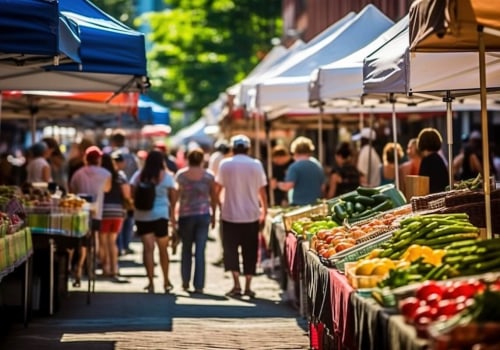
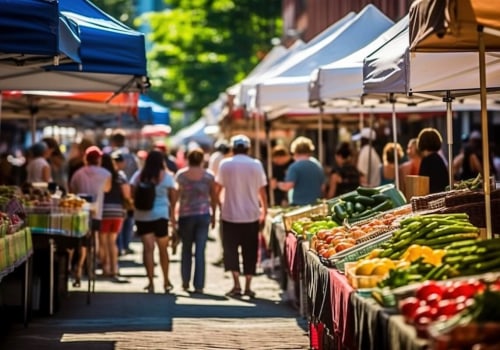
Farmers markets in Central Texas have become an important part of the region’s local economy, community culture, and agricultural identity. These markets bring together local farmers, artisans, food producers, bakers, ranchers, and small business owners who rely on direct interaction with consumers to grow their businesses and strengthen community relationships. Across cities and smaller towns throughout Central Texas, farmers markets provide residents with access to fresh produce, handmade goods, specialty foods, and locally sourced products that may not be available through traditional retail stores. Beyond offering fresh ingredients and unique shopping experiences, these markets also create valuable opportunities for small businesses to establish loyal customer bases and expand visibility within their communities. As demand for locally sourced products continues increasing, farmers markets have become an increasingly important support system for independent businesses and regional agricultural operations throughout the area.
Supporting Local Agriculture Through Direct Sales
One of the most important ways farmers markets support local agriculture is by allowing farmers to sell directly to consumers without relying entirely on large distribution networks or grocery chains. This direct-to-customer approach helps smaller farms maintain better profit margins while giving consumers more transparency about where their food comes from. Many Central Texas farmers specialize in seasonal produce, organic vegetables, pasture-raised meats, local honey, fresh herbs, dairy products, and specialty crops that benefit from local market exposure. Farmers markets also encourage agricultural diversity by providing smaller growers with opportunities to test new products and connect with customers interested in sustainable and locally produced food. In addition to supporting farmers financially, these events help strengthen awareness about regional agriculture and seasonal food production. Shoppers often gain a better understanding of farming practices, weather challenges, and crop availability by interacting directly with local producers at these community events.
Small Businesses Benefit from Market Exposure and Community Engagement
Farmers markets also serve as valuable business incubators for small entrepreneurs and local startups throughout Central Texas. Many vendors begin by selling handmade products, baked goods, beverages, candles, soaps, crafts, or specialty food items at local markets before eventually expanding into retail stores or larger operations. The relatively low barriers to entry compared to traditional retail spaces make farmers markets attractive for emerging businesses looking to build brand recognition and test customer demand. Vendors also benefit from the strong sense of community these events create, as shoppers often return regularly to support familiar local businesses and discover new products. Organizing these markets, however, requires substantial logistical coordination behind the scenes. Vendors must transport tents, tables, inventory, refrigeration units, signage, and display materials to temporary outdoor venues, often during very early morning setup periods. Reliable transportation and equipment movement are critical to keeping operations efficient, especially during larger community events where dozens of vendors participate simultaneously. Companies such as Mountain Movers may assist businesses and organizers with transporting heavier equipment, market infrastructure, and vendor materials safely between locations throughout Central Texas.
Farmers Markets Continue Strengthening Central Texas Communities
As Central Texas continues growing in both population and tourism, farmers markets will likely remain an important part of supporting local agriculture and small business development. These events create economic opportunities for independent vendors while giving residents access to locally produced goods that strengthen regional identity and community connection. Farmers markets also help encourage sustainable purchasing habits and promote awareness about supporting nearby farms and locally owned businesses. Although visitors may primarily experience the lively atmosphere, fresh products, and social interaction at these events, a significant amount of preparation and logistical coordination takes place behind the scenes to keep markets operating smoothly each week. Transportation planning, vendor coordination, inventory management, and temporary setup logistics all contribute to creating successful market experiences that benefit both businesses and consumers throughout Central Texas communities.